Scientific literature has been demonstrating that Medical-grade Hyperbaric Oxygen Therapy (HBOT) can be a very promising, non-invasive, adjunctive treatment for chronic skin conditions like acne, rosacea, and psoriasis by reducing inflammation, enhancing collagen synthesis, and promoting tissue regeneration. While widely known for wound healing, HBOT is increasingly applied in dermatology – due to its anti-inflammatory properties. There is also research showing strong support for medical-grade HBOT as anti-aging and healing support.
Modern Clinical dermatology has been taking over skin concerns that were previously brought to spas. Because of several studies pointing to the benefits of HBOT when treating medical issues including dermatological conditions, you may also want to consider sitting in a pressurized chamber. This may be the breakthrough your skin has been waiting for.
A quick overview of what to expect with Medical-grade Hyperbaric Oxygen:
You will be treated in a specialized chamber where the atmospheric pressure is much higher than normal. The lungs, in this environment, will receive much more pure oxygen than would be possible at normal pressure. Then the oxygen-rich blood and plasma travels through the body, reaching oxygen starved damaged tissues. This “superoxygenated” blood and plasma provides nutrients to support and enhance repair of the damaged tissues.
Key Study: Potential applications of topical oxygen therapy in dermatology. https://pmc.ncbi.nlm.nih.gov/articles/PMC6246052/
- A Lifeline for Atopic Dermatitis (Eczema): If you’ve ever dealt with a severe case of Atopic Dermatitis (AD)—or watched your child struggle with it—you know it’s more than just “dry skin.” It’s a vicious cycle of itching and scratching that leads to lichenification (when the skin becomes thick and leathery). For patients who have had no results from steroid creams or expensive biologics, Hyperbaric Oxygen treatment has been a promising addition to their care.
Key Findings: In “Healing the Surface”, recent clinical observations have shown a visible reduction in oozing, redness, and crusting. Next, let’s look at the “Itch-Sleep” Connection. This is the big one. By dampening the internal “itch” signal, patients (and their parents) are finally getting a full night’s sleep. Better sleep means a stronger immune system and a much higher quality of life.
Key Study: The Supporting Role of Hyperbaric Oxygen Therapy in Atopic Dermatitis Treatment https://pubmed.ncbi.nlm.nih.gov/40364168/
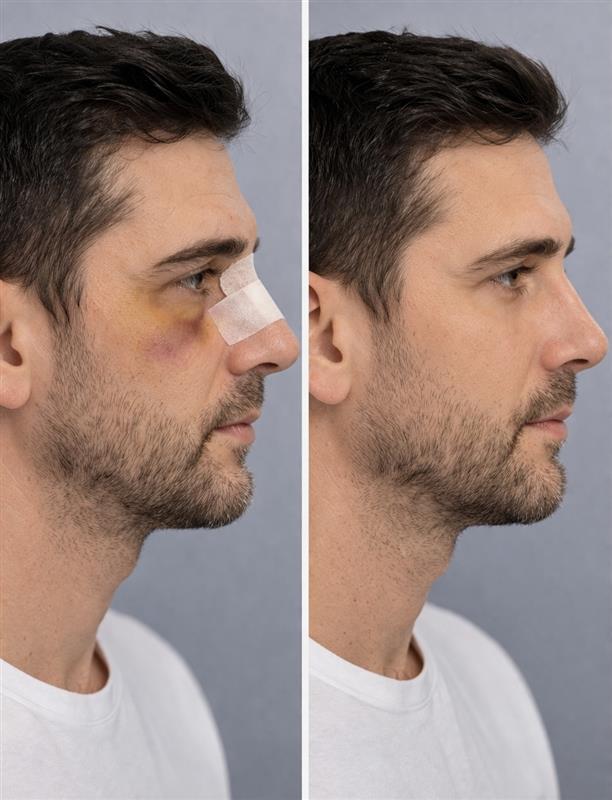
- Fast-Tracking Post-Procedure Recovery: The “social hermit” phase after effective skin treatments like deep chemical peels or intense laser resurfacing are a big hindrance in the recovery phase. Two weeks hiding at home while their skin is swollen and “angry” is not something anyone is looking forward to.
Key Findings: There is proof that Hyperbaric Oxygen is a game changer when it comes to the recovery timeline. The saturation of the skin tissues by pressurized oxygen enables your skin cells to receive the metabolic fuel they need to rebuild collagen and to heal wounds faster.
Reduced Downtime: Get back to your life in days, not weeks.
Quieting Inflammation: Hyperbaric Oxygen helps muffle the intense redness and heat that often follow aggressive cosmetic work.
- The New Frontiers: Acne, Rosacea, and Psoriasis
Acne and rosacea are chronic inflammatory skin conditions characterized by severe inflammation of the face.
Antibacterial Effects: Hyperbaric Oxygen has documented antimicrobial properties, which may inhibit bacteria involved in acne.
Inflammatory Control: The inflammatory pathways (including IL1B, CXCL8, and MMP9) that are elevated in both rosacea and acne are potentially modulated by the reduced systemic inflammation observed with HBOT.
Key Insight: Studies indicate that Hyperbaric Oxygen can be used as a supportive therapy to improve the condition of skin affected by inflammatory
While we are still waiting on massive, gold-standard clinical trials, the early data are exciting. Because Hyperbaric Oxygen Therapy helps regulate the immune system and kills certain “anaerobic” bacteria (the kind that cannot tolerate oxygen and are the cause of breakouts), Medical-grade Hyperbaric Oxygen is being tested as a secondary treatment for:
Stubborn Acne: Killing bacteria from the inside out.
Rosacea: Calming the persistent flush and inflammation.
Psoriasis: Helping to slow down the overactive cell turnover that causes plaques.
Psoriasis and HBOT
Research indicates that HBOT can treat psoriasis vulgaris by calming T-cell-driven inflammation and reducing skin lesions.
Key Findings: A study published in Journal of Medical Case Reports showed that patients undergoing HBOT (2.8 atmospheres for 60 minutes) experienced significant improvements, These include: reduced scaling, plaque, and arthritis symptoms.
Mechanism: Hyperbaric Oxygen reduces proinflammatory cytokines (TNF-alpha, IL-1, IL-6) which are elevated in psoriasis.
Key Study: “Therapeutic effect of hyperbaric oxygen in psoriasis vulgaris” (PMC2737769).
- Anti-Aging and Healing: HBOT stimulates collagen production and increases the number of circulating stem cells, which improves skin texture and repairs the skin barrier.
Immune Modulation: Research shows Hyperbaric Oxygen reduces inflammation in auto-inflammatory conditions.
Skin Regeneration: A study in the Journal of Cosmetic Dermatology suggested that HBOT could reduce facial erythema (redness) and accelerate skin recovery following intense treatments.
Key Study: The effect of hyperbaric oxygen therapy on the pathophysiology of skin aging: a prospective clinical trial https://pubmed.ncbi.nlm.nih.gov/34784294/
Conclusion: The Reality Check: Is HBOT a “magic wand”? Not quite. It shouldn’t replace your entire skincare routine, and it’s certainly not a one-and-done miracle. Hyperbaric Oxygen Therapy is an adjuvant – a powerful helper that makes your primary treatments work better.
If you’re dealing with a treatment-resistant condition or planning a major cosmetic procedure, it’s worth asking your dermatologist if “going under pressure” is the right move for you. Sometimes, the best thing you can do for your skin is just take a deep breath of (highly pressurized) fresh air = HBOT.
Written By: Micheline Epstein, MD, MS, FAAFP — Medical Director