The Challenge of an Aging Brain
As we get older, there are many different features of aging that affect the brain. Physically, the brain shrinks a little bit in size. Different functions in the brain can experience different levels of disruption—from forgotten memories to full-blown dementia, from slight lack of coordination to full dysarthria. Strokes can devastate a person. Still, other neurologic diseases can completely shatter a person’s life. So much has been said about preventing dementia, the causes of dementia, and the links between dementia and so many of the things that many people take for granted. Yet the main pharmaceutical kingpins used to treat dementia have really not changed in the past 35 years very much; nor do they work very well. Many people feel hopeless and relegate themselves to the inevitability of old age. Forgotten memories, senior moments, and the often-heard senior mantra, “I used to be able to…”, punctuate the lives of aging individuals. The baby boomers are the largest group of people walking the earth to turn 65 and over. You’d think that by
Hyperbaric Oxygen Therapy for Brain Health
While not the only answer to an aging brain, Hyperbaric Oxygen treatment offers a lot of positive effects on the human nervous system, which can help older people to stay vital, active, deal with neurologic disease, and avoid “walking quietly into the night” for as long as possible.
A Therapy with History
Hyperbaric oxygen is a very old form of medical therapy that dates back well over 300 years. It has had periods of acceptance and rejection from the rest of the medical profession, which, unfortunately, chose a more pharmaceutical pattern of healing and direction rather than something so simple as oxygen and atmospheric pressure for a vast majority of diseases.
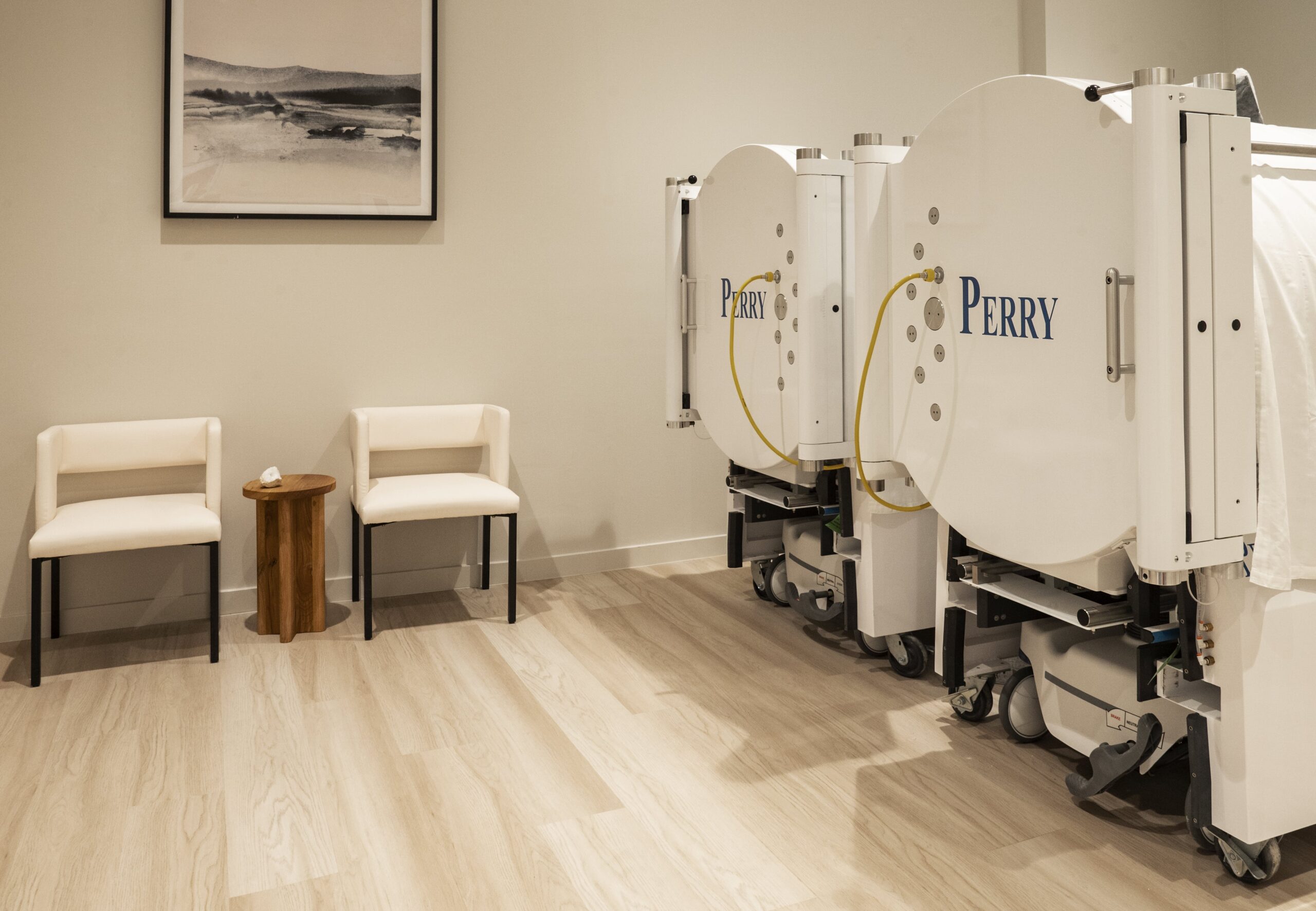
Hyperbaric Oxygen treatment in its modern state-of-the-art form uses 100% oxygen through a medical-grade hyperbaric chamber and elaborates increased atmospheric pressure to allow this oxygen to be absorbed in a way not possible through the basic physiology of the body—10 times the amount of oxygen to be absorbed into the plasma of the blood, when the person is at two ATA. And every 10th of an atmosphere beyond that increases it to almost 20 times that value by 2.8 ATA. During the treatment, an air mask is provided to the patient, which changes their inhaled oxygen to 21%. While 21% at sea level is what a person normally breathes, this 21% oxygen is being inhaled under the same pressure at which the treatment takes place. That still gives a person much more diffused oxygen into the plasma than breathing normal air at sea level. The patient doesn’t notice anything different. The cells in the body, however, perceive the change in oxygen and begin to give off a chemical called HIF, hypoxia-inducible factor. This causes a variety of special events to take place in the body.
Key Effects of Hyperbaric Therapy on the Brain
Immunomodulatory – Hyperbaric oxygen therapy causes your immune system to downregulate or decrease the circulating inflammatory substances known as cytokines. These are causes of inflammation. At the same time, the production of anti-inflammatory cytokines is upregulated or increased.
Neuroplasticity – The formation of new connections in the synapses between neurons, or brain cells, in the central nervous system. As we get older, our quality of life will be directly related to the quality of the synapses and the number that we have. This is crucial in our ability to maintain our memories, our intellect, our social engagement, problem-solving abilities, and so on.
Angiogenesis – The decrease of inflammation within the lining of the blood vessels in our circulation. Certain medical diseases play a crucial role and can injure your brain because of all the inflammation. Certainly, a brain that is on the mend or getting corrective maintenance to increase the synapses needs better blood flow, and certainly, new blood vessels are formed, which will feed the brain and give it an adequate blood supply to thrive.
Mitogenesis – Is the increase in the number of mitochondria and their function. Mitochondria are crucial in the cells because they help make energy, which is responsible for healing, and all processes in the brain and other parts of the body.
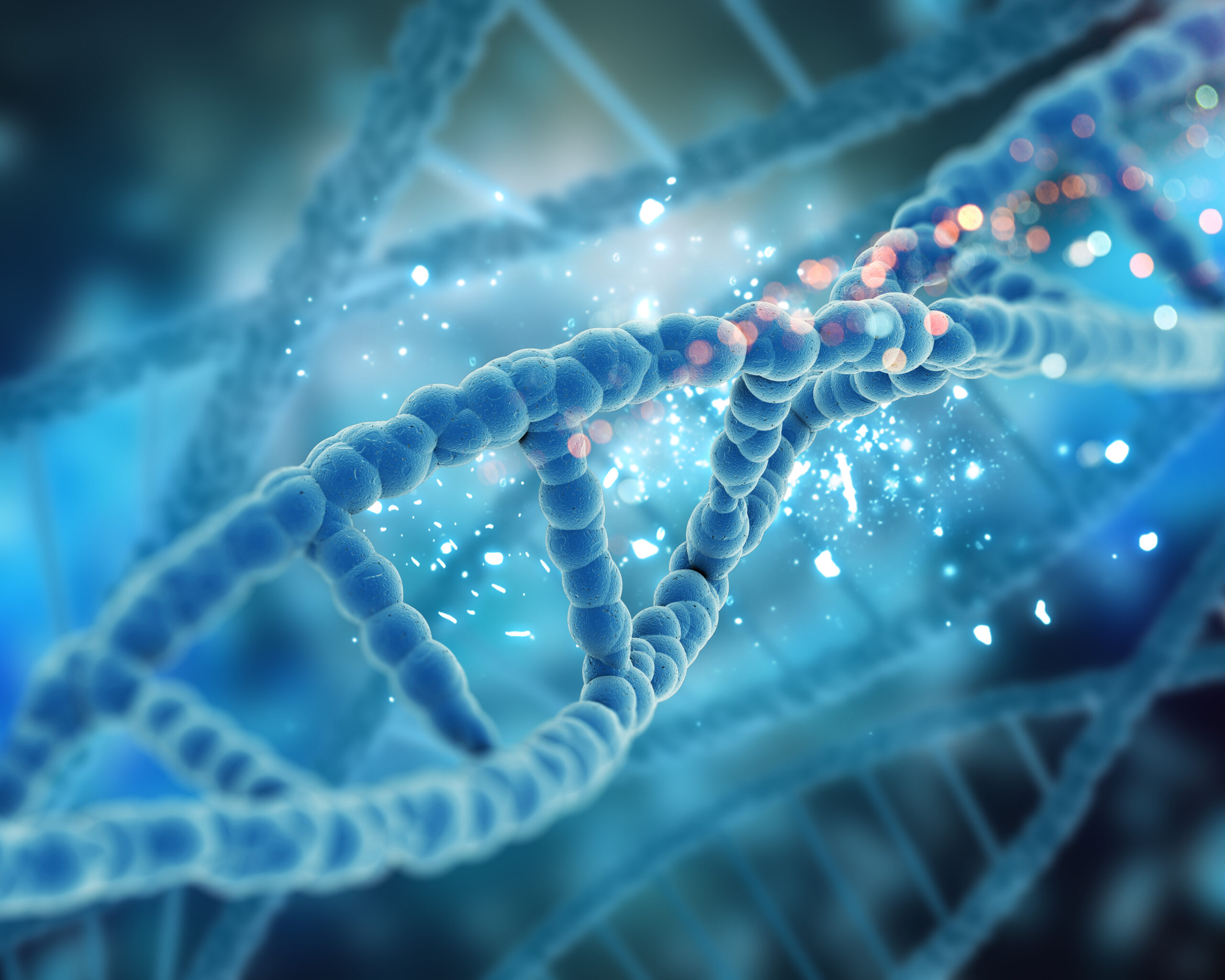
Telomerase Effect – Also very important in keeping your genetic age less than your physical age. Telomeres are like the little plastic on the ends of your shoelaces. They keep your shoelaces from fraying. As DNA uncoils to code for proteins, enzymes, and so on, the body can be maintained and healed. When DNA uncoils and then recoils to repackage itself, DNA can similarly become frayed. The telomeres protect the DNA in such a fashion. The condition of a person’s telomeres, described as telomere length in medical literature, determines a person’s “genetic age.” The telomere race effect repairs your telomeres and thus lowers your genetic age.
Supporting Brain Health Beyond Hyperbaric Oxygen Therapy
There are other effects of HBOT on the body, but we’re going to limit this discussion to what will help with your brain after 50. Clearly, it would be easy to say that maintaining your brain and its function after 50 is largely a function of neuroplasticity. But that’s just not enough by itself. All of these other effects are crucial in maintaining proper neurologic function in your brain and maintaining all of your faculties and abilities and Improved Cognitive Performance.
Many other suggestions do help. They say that as you get older, you should be doing puzzles, video games, and other things that will challenge your intellect and problem-solving ability. Certainly, vitamins and other essential minerals play a crucial role as well. But timing again—I’ve seen that it’s HBOT that triggers much of the regenerative properties within the body and gives you an edge so that you can keep your brain functioning properly, and enjoy your 50s and the decades beyond.
A Proactive Approach to Lifelong Cognitive Vitality
In an era when people are living longer than ever, preserving clarity, independence, and cognitive strength must become just as important as extending lifespan. Neurologic decline should not be passively accepted as an unavoidable consequence of aging. While no single therapy serves as a universal solution, Hyperbaric Oxygen Therapy offers a science-based, physiologic approach that works with the body’s innate regenerative mechanisms—reducing inflammation, enhancing neuroplasticity, improving vascular health, optimizing mitochondrial energy production, and supporting cellular longevity.
When combined with intellectual stimulation, proper nutrition, physical activity, and coordinated medical oversight, HBOT becomes part of a comprehensive strategy for sustaining brain performance beyond 50. Aging is inevitable; accelerated cognitive decline does not have to be. With the right interventions and thoughtful timing, it is possible not only to add years to life but clarity, engagement, and vitality to those years.